 Zhengding

Whitepaper: Structural Design and Commercial Optimization of Inflatable Aerial Architecture in Spain
1. Spatial Branding Paradigms and the ROI of Physical Scale
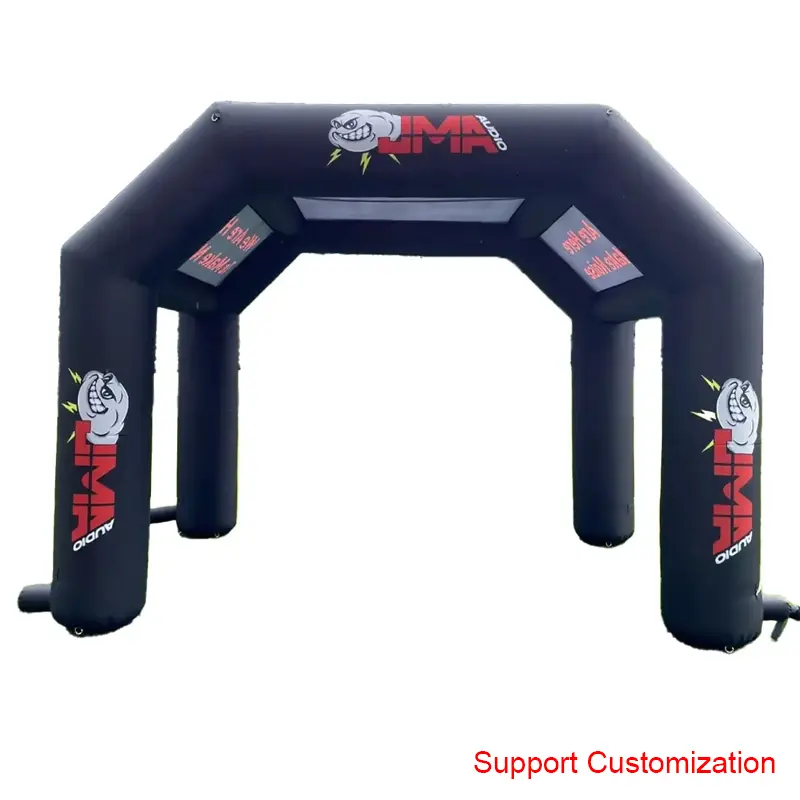
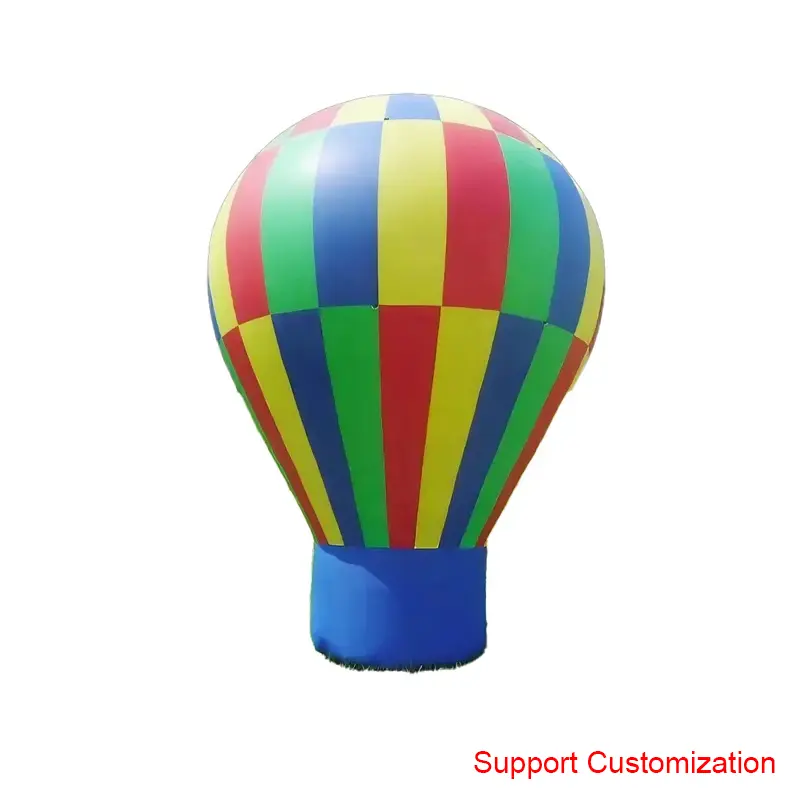
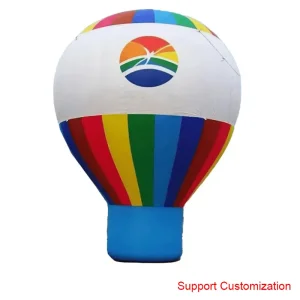
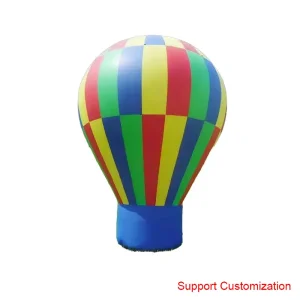
In an era dominated by digital ad saturation and high cost-per-click (CPC) inflation in Western Europe, multinational firms and event organizers are pivoting toward high-recall physical installations. The concept of Information Gain in advertising dictates that high-contrast, physical anomalies in a landscape trigger deep cognitive recognition and superior retention compared to programmatic screens. Giant inflatable hot air balloons serve as fixed physical landmarks, establishing presence and spatial authority. For brand campaigns executing across key Spanish metropolitan regions, these systems represent a long-term capital asset with exceptionally low operational expenditure and high earned media value via organic social amplification.
2. Spain's Macro-Economic and Regional Event Landscape
Spain presents a dynamic, geographically diverse canvas for visual marketing. Each region demands custom specifications based on regulatory structures, demographic behaviors, and weather variations:
- Catalonia (Community of Barcelona & Costa Brava): As a hub for maritime tourism and major design congresses (such as the Fira de Barcelona), this region requires highly aesthetic, UV-resistant fabric formulations. Outdoor installations along beaches are exposed to high saline concentrations, requiring high-grade marine stainless steel (AISI 316) anchoring D-rings to prevent corrosion.
- The Madrid Capital Region: A dense logistics and corporate sector. Corporate activations, automobile exhibitions, and grand openings in business districts require quick-setup designs. The community enforces strict city planning and municipal public space regulations, demanding rigorous engineering calculations and certified structural profiles.
- Andalusia & Costa del Sol (Seville, Malaga, Marbella): Experiencing some of Europe's highest UV indices, this region requires advanced polyurethane (PU) and polyvinyl chloride (PVC) formulations treated with chemical UV stabilizers. Without proper treatment, fabrics degrade rapidly under intense sunlight, leading to color loss and safety-critical tensile strength reduction.
- Valencia & Eastern Coast: Home to large festivals like "Las Fallas" and significant coastal promotions. Wind profiles here are influenced by Mediterranean breezes, requiring dual-layered structural ballast calculations and flexible anchoring points.
3. Material Sciences and Aerodynamic Engineering Specifications
Sourcing high-performance inflatable hot air balloons is an engineering process. Our factory utilizes raw materials designed for sustained structural loads:
| Fabric Class | Tensile Strength | UV Resistance Rating | Fire Classification (EU) |
|---|---|---|---|
| High-Density Oxford Nylon (210D/420D) | 1200 N / 50mm | Grade 5-6 (ISO 105-B02) | UNE-EN 13501-1 Class B-s1-d0 |
| Reinforced PVC Tarpaulin (0.45mm/0.55mm) | 2200 N / 50mm | Grade 7-8 (ISO 105-B02) | UNE-EN 13501-1 Class A2-s1-d0 |
Our engineering division designs structural reinforcement bands along the envelope's equatorial lines, distributing pull force away from vertical seams to double the lifetime of the structure under fluctuating wind conditions.
4. Regulatory Compliance and Safety for Spanish Municipalities
Operating public installations in Spain requires compliance with European safety standards. Under European standard EN 14960 (covering inflatable play equipment but broadly applied to large promotional structures by municipal safety inspectors), stability and wind resistance calculations must be documented:
- Wind Velocity Limits: Installations must remain stable in wind speeds up to 38 km/h (5 Beaufort scale). Above this, internal safety guidelines dictate controlled deflation.
- Ballast Calculations: Ballast calculation follows the formula $F_w = 0.5 \times \rho \times V^2 \times C_d \times A_p$, where wind density, projected surface area, and drag coefficients are calculated. In urban centers like Madrid, concrete block anchor points are typically calculated at a 3:1 safety margin against wind load.
- Fire Retardancy: Municipalities require fabric certifications showing resistance to open flames. Our PVC and Oxford fabrics meet UNE-EN 13501-1 standards and are accompanied by manufacturer test certificates for easy administrative processing.
5. Future Roadmap: Smart IoT Inflatables and Green Sourcing (2025–2030)
Our R&D division is focused on sustainable innovations that align with Spain’s "Ley de Residuos" (Waste and Contaminated Soils Law) and circular economy goals:
- Biodegradable TPU Materials: Developing high-performance, non-toxic Thermoplastic Polyurethane envelopes that decompose cleanly under composting conditions without leaving microplastic residues.
- IoT Environmental Telemetry: Equipping large-scale balloons with integrated sensor packages. These units monitor wind pressure, structural tension, internal air pressure, and ambient temperature in real time, transmitting alerts to operators' mobile devices.
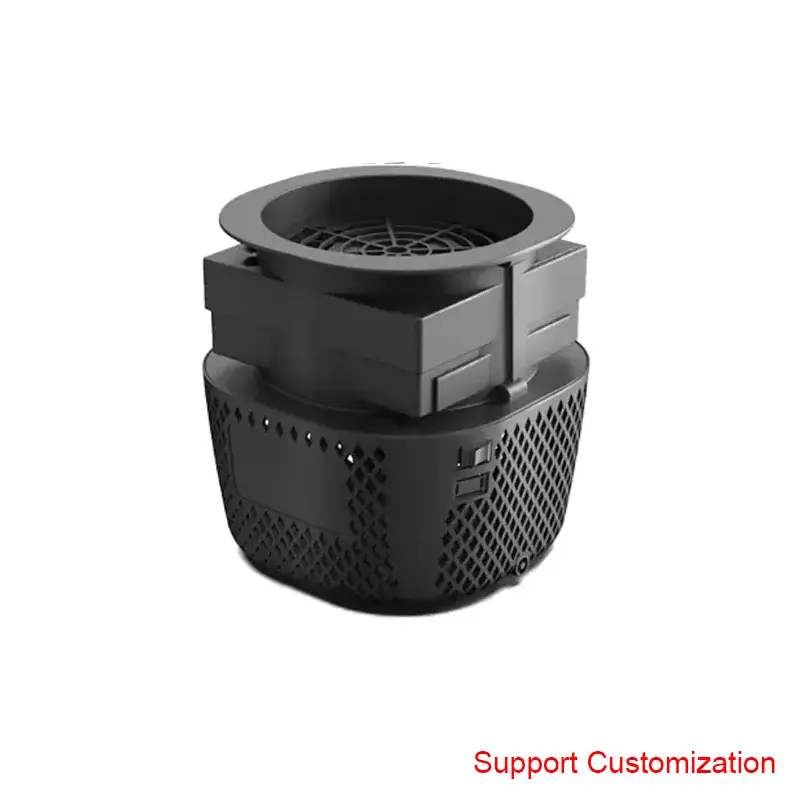
- Photovoltaic Integrated Fans: Testing low-voltage brushless blowers powered by flexible, lightweight solar panels mounted on top of the inflatable envelope, enabling off-grid operational independence.