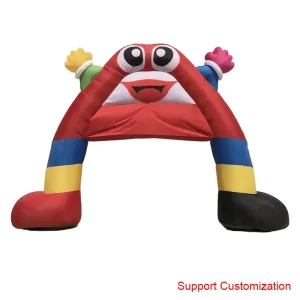
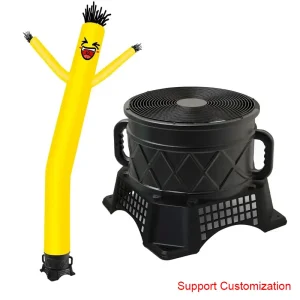
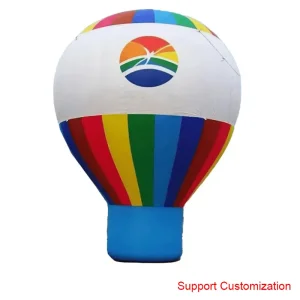
Explore our highly-durable inflatable display designs, ventilation systems, and promotional machinery engineered for global commercial distribution.
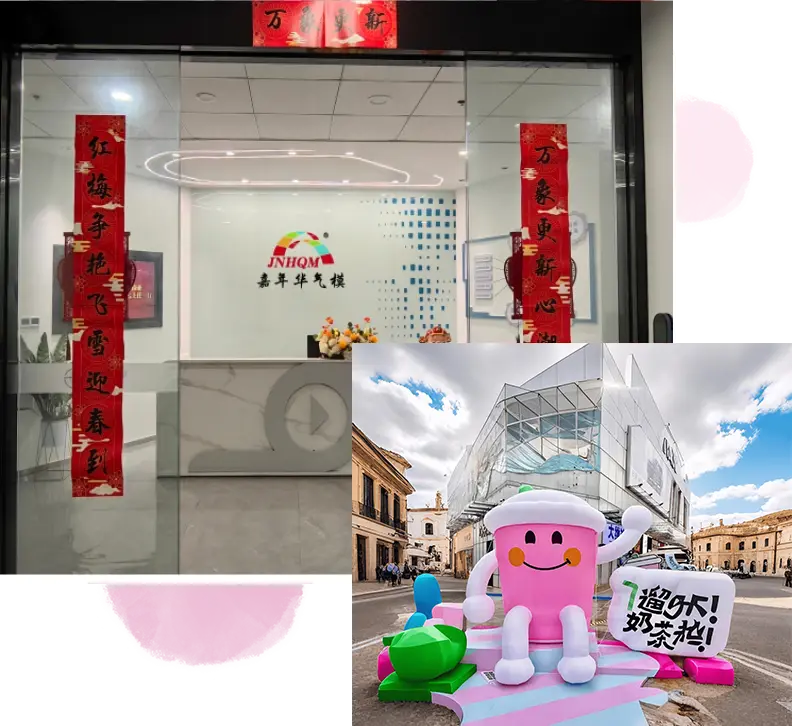
We are a premier global manufacturer integrating specialized research, advanced design, mass production, and export distribution services. With over 8 years of dedicated industry experience, our facility leverages high-tech welding equipment, precise pattern design software, and a stringent QA system to manufacture safety-certified, weather-resistant outdoor displays. We partner with commercial screen hiring suppliers, event planners, and global distributors to provide highly competitive, direct-from-factory solutions.
Explore Factory CapabilitiesIn the modern event-hosting landscape, the demand for versatile, rapid-deployment outdoor projection equipment has surged exponentially. The global community event, drive-in cinema, and corporate activation sectors rely heavily on inflatable cinema screens to deliver high-impact visual presentations without the structural overhead, long assembly lead times, and extreme capital investments associated with traditional steel scaffolding or solid LED modular walls. This whitepaper analyzes the engineering practices, cost parameters, and regulatory standardizations that define the supply chain for cheap inflatable cinema screen hire factories and exporters.
For hire firms and event operators, securing reliable, high-gain projection screens directly from certified Chinese manufacturers provides a critical balance between low acquisition costs and premium performance. When scaling rental inventories, understanding the underlying textile engineering, chemical treatments, aerodynamic physics, and compliance certifications is essential to maximizing investment returns and maintaining public safety.
Traditional outdoor movie systems were constrained by heavy rigid frame components, causing logistical challenges. The breakthrough came with multi-layered, high-tenacity polyvinyl chloride (PVC) and specialized Oxford cloth fabrics coated with polyurethane (PU). By utilizing high-frequency thermal sealing technologies, factories are now capable of manufacturing lightweight, puncture-resistant structures that withstand the rigors of frequent transportation, inflation cycles, and harsh elements.
From a procurement perspective, global buyers fall into three main categories: regional event rental companies (hiring out pop-up movie packages), hospitality chains (utilizing screens for resort entertainment), and municipal cultural departments. Because each client profile operates under different environmental and usage patterns, factories must offer customizable material options, ranging from 0.45mm reinforced PVC tarpaulin for commercial hire applications to lighter, more portable fabrics designed for fast single-person setups.
When inspecting products from exporters, procurement professionals should evaluate the following structural specifications to ensure lasting quality and structural integrity:
Operating an inflatable structure in a public environment introduces critical liability concerns. If the pressure falls inside a large screen frame during a wind event, the surface can act as a sail, creating hazards for nearby spectators. Professional factories address this through precise aerodynamic engineering: optimizing the depth-to-height ratio of the supporting base and including integrated pressure release valves to prevent over-inflation in high-temperature environments.
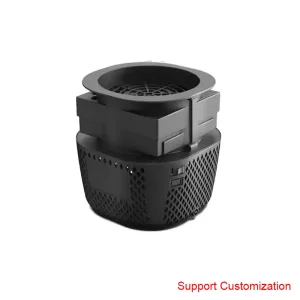
Acoustic disturbance from fans is another historical issue for hire operators. Modern manufacturing solves this by optimizing structural design to position blowers further from the audience, combined with custom-engineered, sound-insulated blower boxes. Additionally, high-efficiency fan designs reduce power consumption while delivering stable air pressure.
The future of inflatable displays lies in integration with next-generation laser projection and intelligent structural management. Over the next five years, expect a rapid expansion of smart sensors embedded directly into premium frames, monitoring internal pressure and wind speed in real time. If wind velocity exceeds a safe threshold, these smart systems can automatically sound alerts or trigger controlled deflation procedures.
Additionally, factories are researching lightweight carbon-fiber reinforced fabrics that offer the stiffness of traditional frames at a fraction of the weight, eliminating the need for constant blower noise altogether. As eco-friendly mandates increase globally, the industry is transitioning to 100% recyclable, halogen-free fire-retardant materials that comply with the strictest environmental directives without sacrificing durability.
Adhering to our core operational principles of "quality first, customer first" to deliver reliable international event solutions.

Every product satisfies rigid international and enterprise safety codes, ensuring reliable performance in harsh outdoor settings.

Our comprehensive warranty provides full protection, allowing rapid replacement or refunds if manufacturing defects arise.

We supply detailed installation blueprints, safety guidelines, maintenance recommendations, and direct technical consultations.

Receive specialized recommendations for material weights, structure sizes, and graphic customization to match your target audience.
Read the latest guides, technical writeups, and strategic updates from our engineering and marketing divisions.
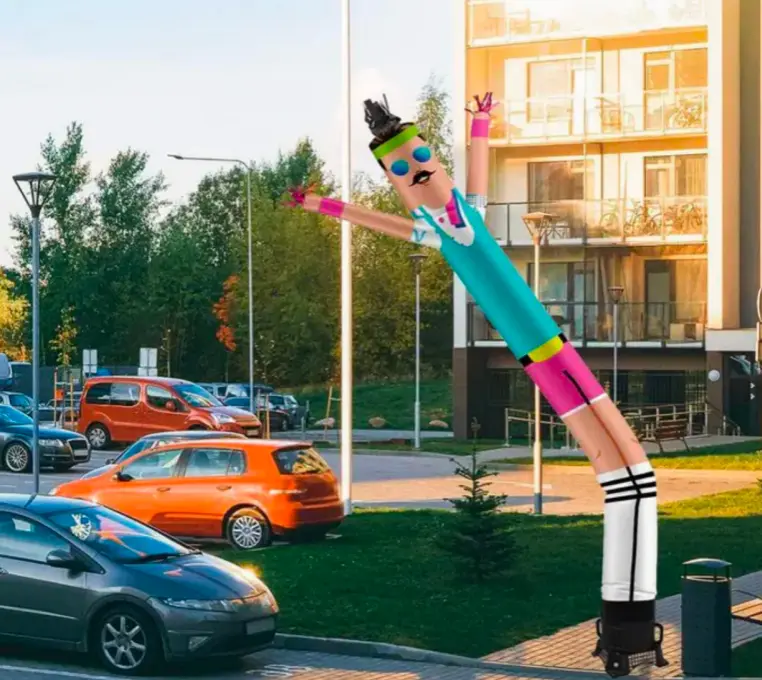
Keep tube men dancing for years: clean after use, dry fully, patch small tears, use the right blower, and avoid strong wind damage.
MORE →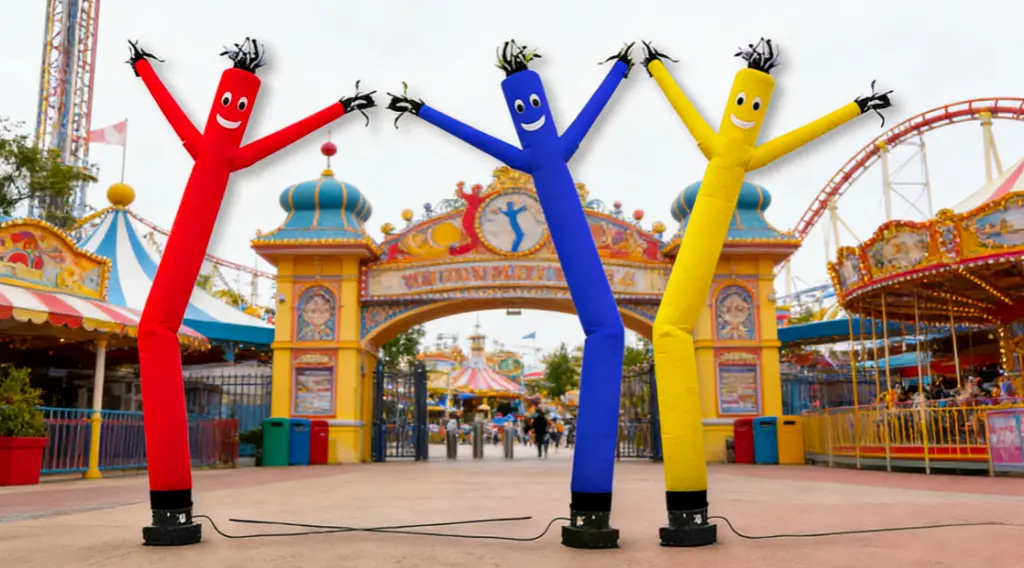
Discover 5 unexpected ways inflatable Tube Men boost visibility, create social media buzz, and effectively guide large event crowds.
MORE →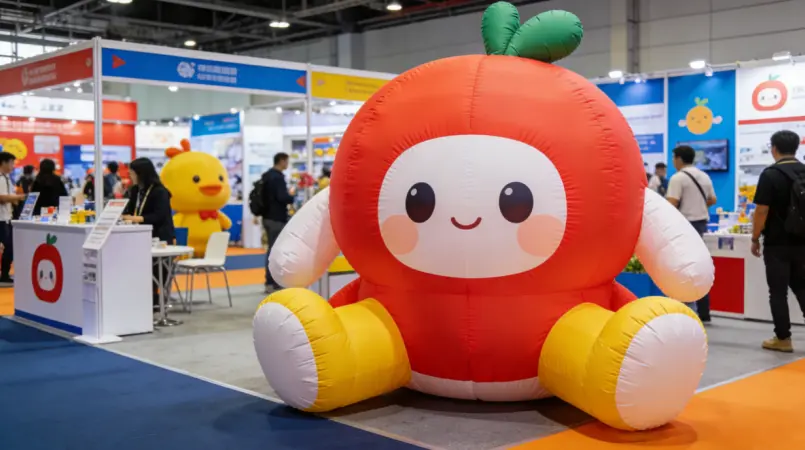
Stand out at trade shows with custom inflatable cartoons! Impossible to ignore, they maximize brand visibility and draw foot traffic.
MORE →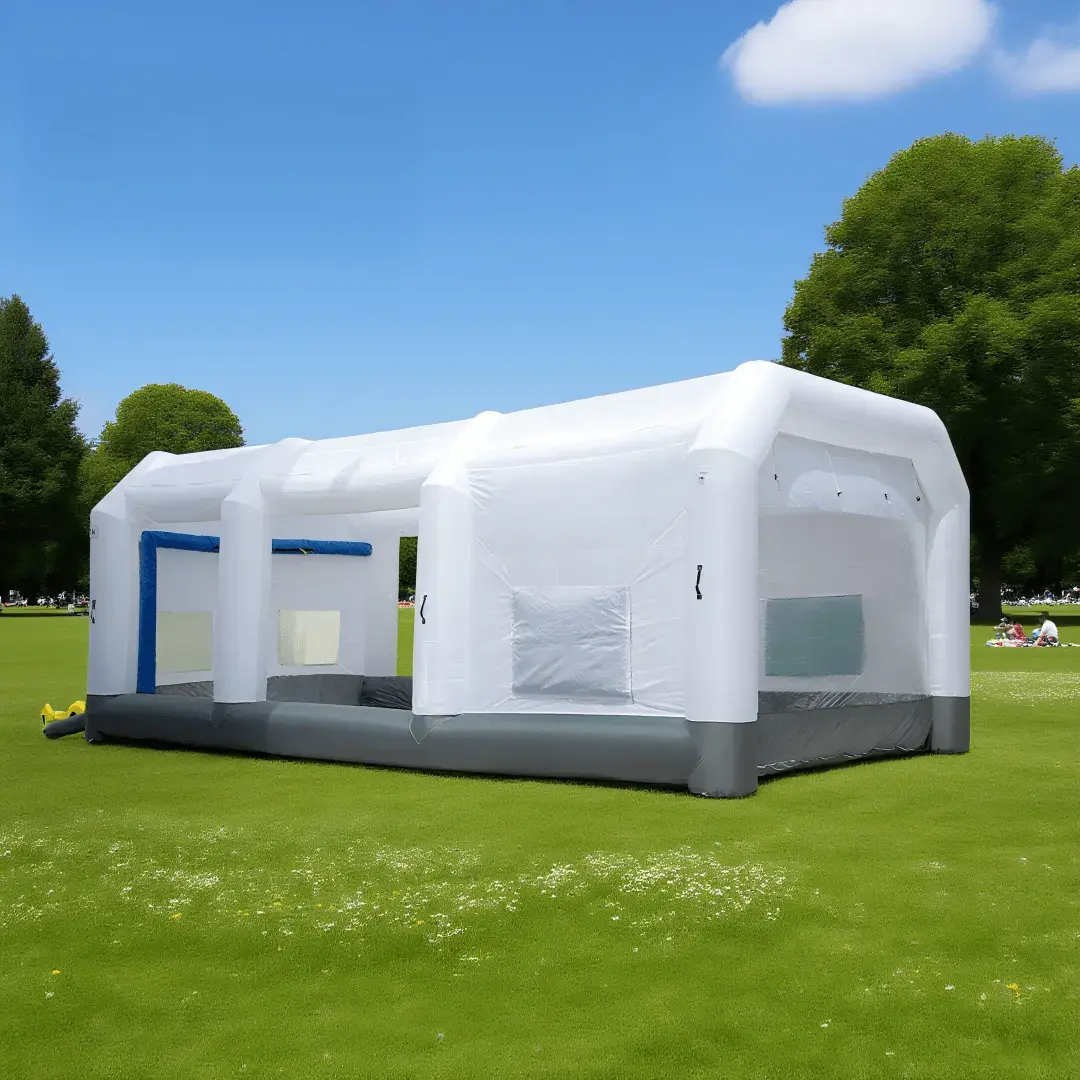
Inflatable tents offer effortless setup, cost savings, and eye-catching appeal, making them ideal for dynamic corporate scene marketing.
MORE →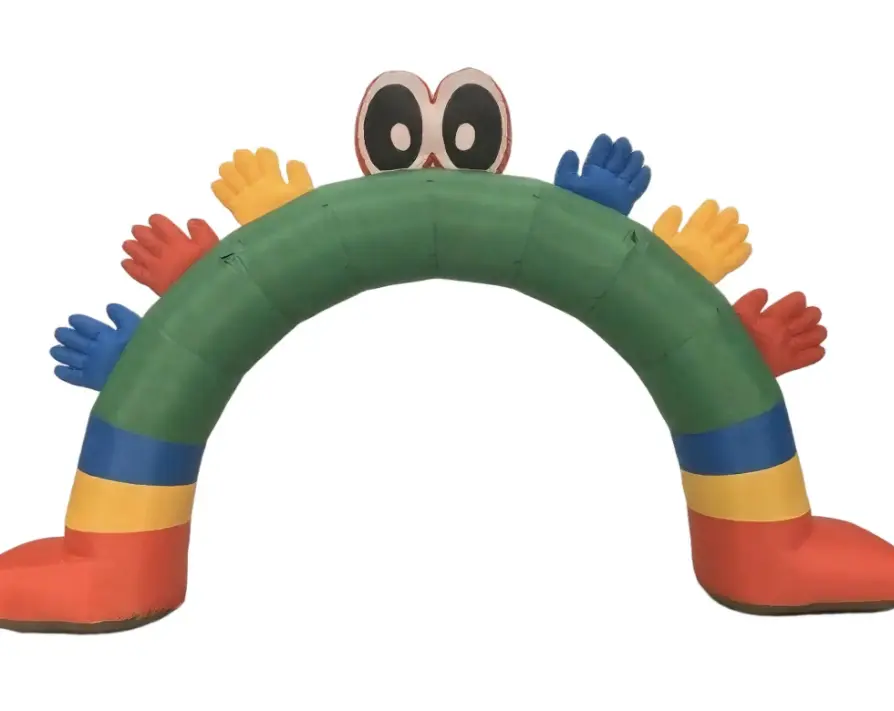
Discover 5 powerful ways to customize inflatable arches for maximum brand impact. From vibrant printing to unique shape configurations.
MORE →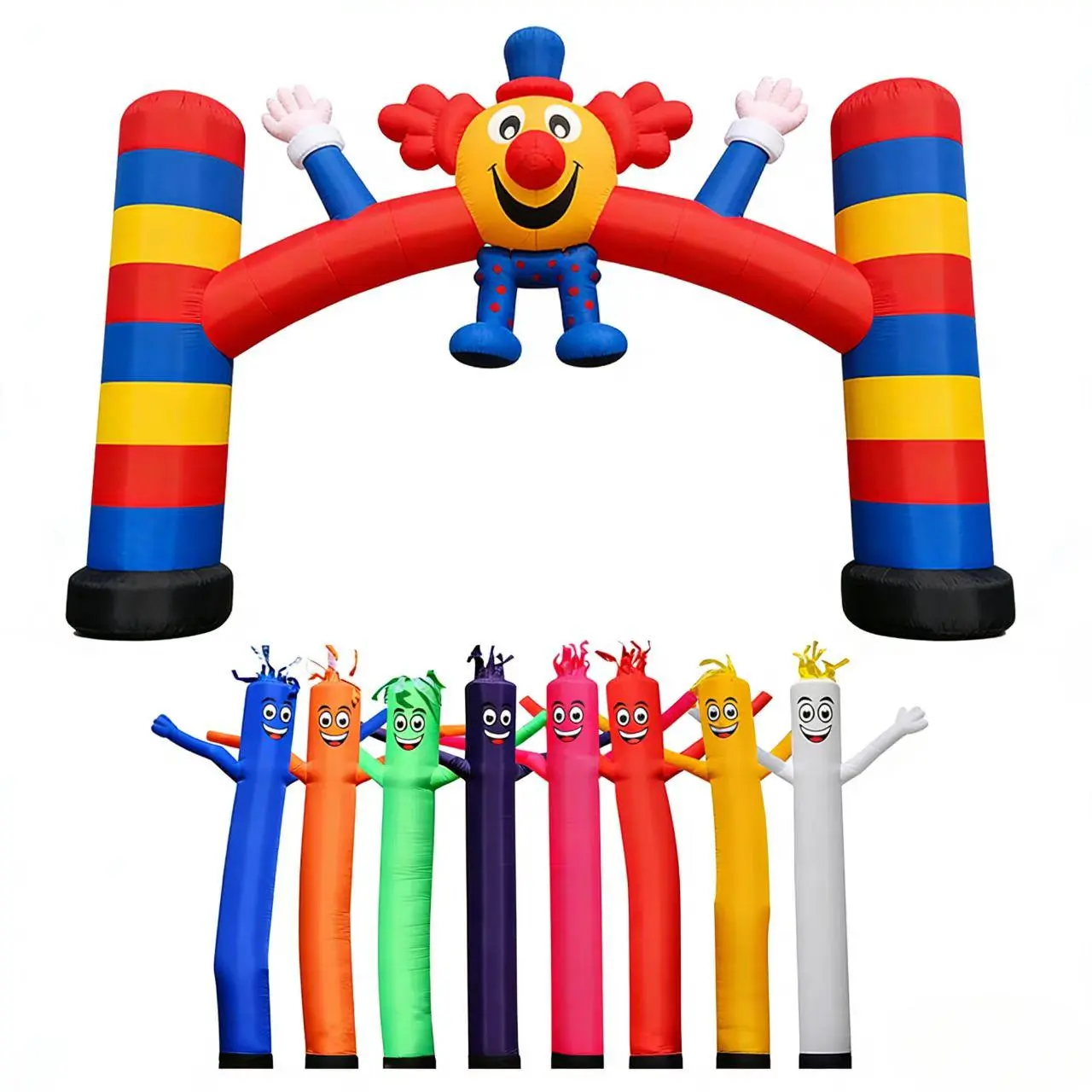
Boost your brand with custom inflatable arches & sky dancers—eye-catching, dynamic, and highly cost-effective solutions.
MORE →
Add magic, smiles, and unforgettable visual presence to outdoor festivals using custom thematic inflatable designs.
MORE →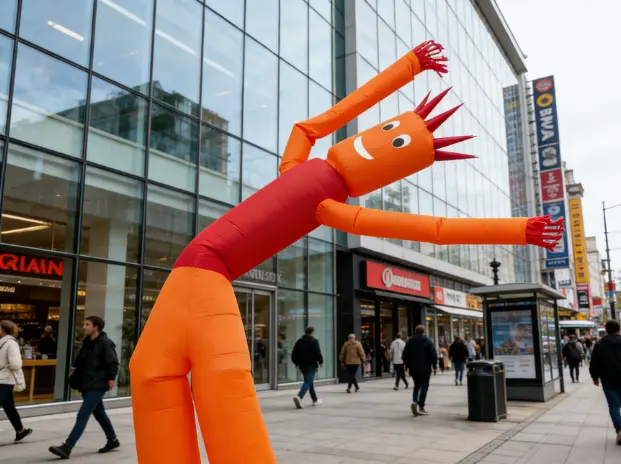
An essential look at why base material selection and motor specifications matter when sourcing event equipment.
MORE →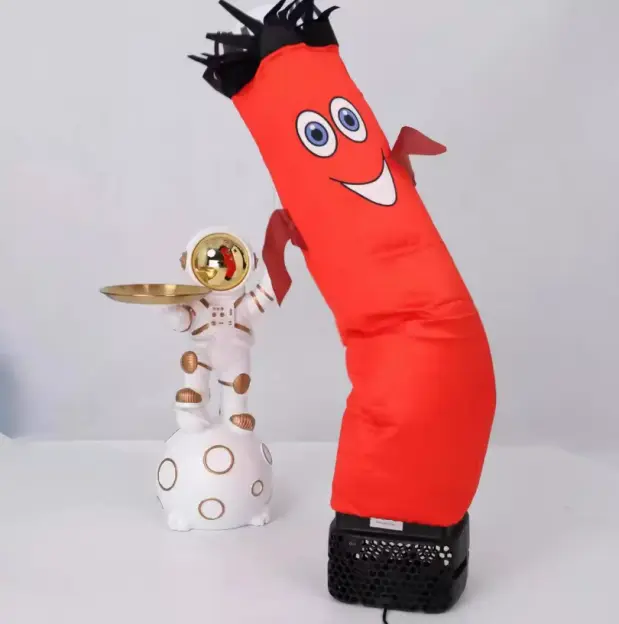
Charming and customizable Mini Air Dancers bring your brand to life. Perfect for indoor exhibition stands and corporate retail counters.
MORE →Detailed answers to structural safety, ordering cycles, material properties, and importing guidelines.
Continuous-air structures require a constantly running blower to maintain shape and internal pressure, which is cost-effective for larger setups. Sealed (airtight) screens use a high-pressure valve system and heavy welding, meaning they only require inflation once. Sealed screens avoid operational blower noise during projection but carry a higher manufacturing cost.
We utilize PVC and Oxford fabrics treated with fire-retardant chemical coatings that conform to NFPA 701 (US) and DIN 4102-1 B1 (Europe) fire standards. Each shipment is accompanied by compliance certificates to satisfy municipal safety inspection requirements.
Yes. Our screen frames are engineered with heavy-duty stainless steel D-ring anchor points. By utilizing proper tie-down straps and ground stakes or water ballast weights, our commercial screens are rated to safely operate in winds up to 24 mph (38 km/h).
We use a specialized dual-layer matte white projection textile. The front layer is optimized with a micro-textured finish to prevent hot-spotting, achieving a 1.2 gain factor. The backing layer is composed of black PVC to block light leakage, preserving color saturation and contrast ratios.
Standard designs are processed and ready for transit within 10 to 15 business days. Bespoke OEM requests, including branding prints, custom sizing, or structural adjustments, generally require 20 to 25 days, which includes rigorous 24-hour inflation testing in our factory.
Absolutely. We supply CE, UL, and GS certified blowers configured with the appropriate plug types and voltage ratings (110V/220V) corresponding to the destination country of the importing business.
Wipe down the frame and projection fabric with mild soap and water. It is absolutely critical to allow the screen to dry completely before folding and storing to prevent mold and mildew growth. Minor punctures can be quickly repaired using the included vinyl patch kits.
Yes, as a direct manufacturer, we offer tiered bulk discounts for hire operators expanding their rental fleet. Container-load shipments (LCL or FCL) are accompanied by specialized logistics coordination to minimize customs duties.
Explore our complete export catalog, featuring heavy-duty air blowers, structural promotion arches, and high-visibility event banners.


Contact our technical team to design custom dimensions, apply custom branding, or request shipping quotations.
INQUIRY NOW Zhengding